Lucy Pearce on Publishing, Missing Home & Taking Risks | The Mag Lounge Podcast
15th October 2026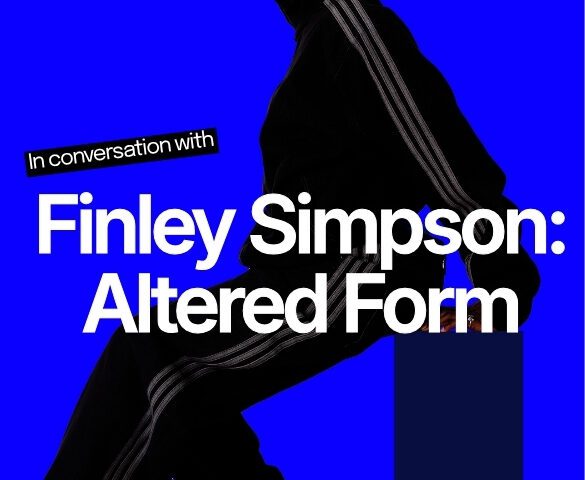
What happens when creativity is given the freedom to exist without boundaries?
For Northumbria University Fashion Communication graduate Finley Simpson, this question sits at the heart of Altered Form, an experimental publication that challenges traditional representations of fashion, beauty and the human body.
Created entirely by Fin, from styling and photography to creative direction and editing, Altered Form is both a portfolio of his work and a statement of his creative identity. Through exaggerated silhouettes, manipulated forms and bold visual storytelling, the publication invites readers to reconsider what fashion imagery can be.
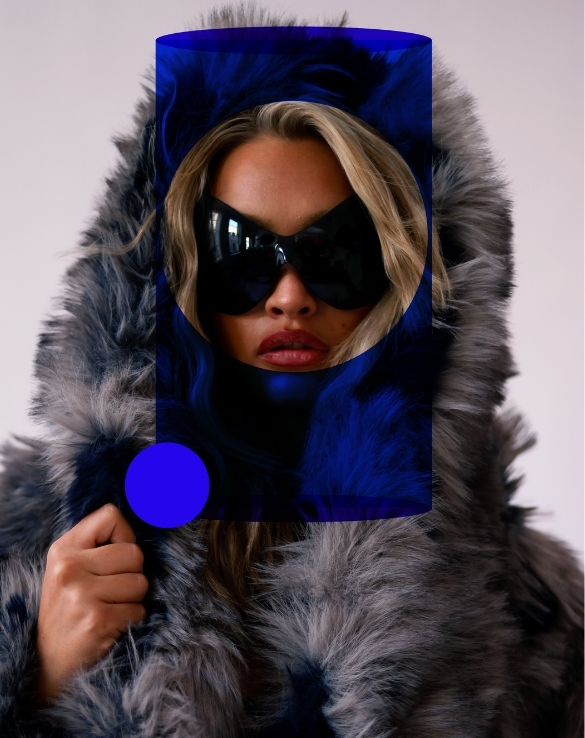
Recently showcased as part of our Creative Talent Awards Exhibition at The Mag Studio, Altered Form celebrates experimentation, individuality and the freedom to create without always knowing where an idea might lead.
From Sketching to Image Making
Fin’s creative journey began with a fascination for shape, colour and composition.
Starting out with sketching, he became interested in how visual elements could work together to communicate an idea. Fashion introduced another dimension to this interest, allowing him to explore how clothing, styling and the body could be used to construct characters and tell stories.
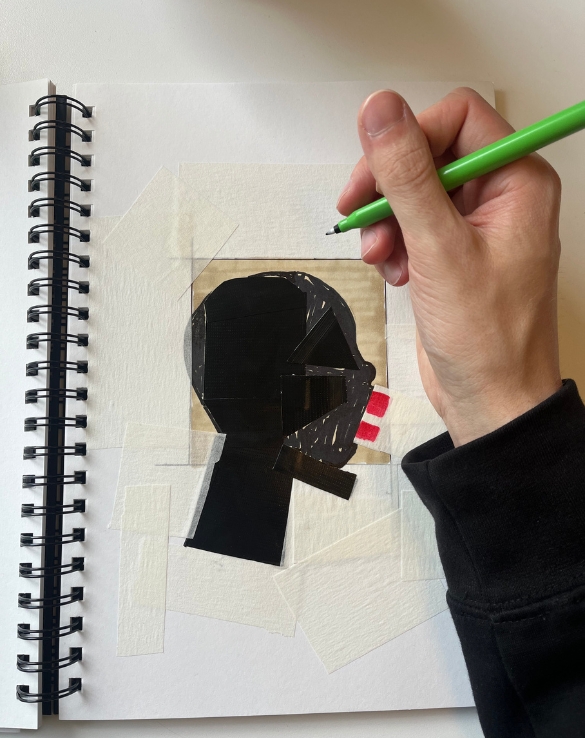
Rather than defining himself through a single discipline, Fin describes himself as an image-maker, working across photography, styling and creative direction. Each element plays a part in his process, offering different ways to develop an idea and transform it into a final image.
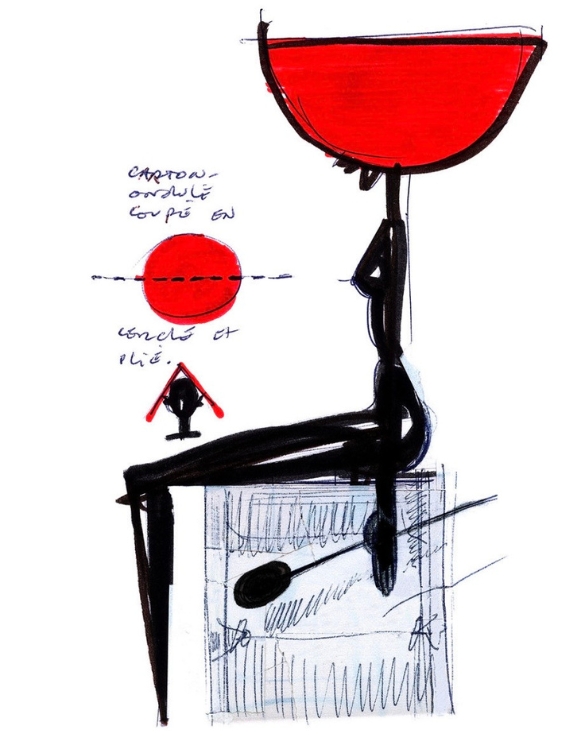
Sketching remains an important starting point. Fin often begins with a drawing, using it to experiment with texture, composition and form before translating those ideas into photography. For him, creativity is not always a straightforward process. Sometimes an idea begins as a feeling or an image in his mind, long before he can explain it in words. This instinctive approach would become central to the development of Altered Form.
The Inspiration Behind Altered Form
The initial inspiration for Altered Form came from Fin’s fascination with the creative collaborations between artist and photographer Jean-Paul Goude and musician Grace Jones. Their work, known for its theatrical imagery and unconventional representations of the body, encouraged Fin to explore the relationship between beauty and the unexpected.
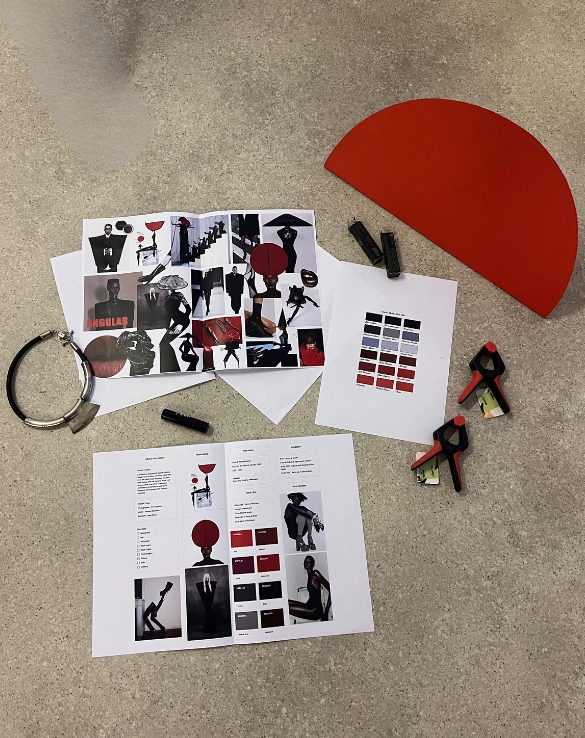
He was particularly interested in the idea that something could be both visually beautiful and unsettling at the same time:
“I wanted to create a visual world where the unusual wasn’t something to correct,
but something to celebrate.”
Taking this as his starting point, Fin began experimenting with exaggerated silhouettes, bold primary colours and manipulated forms, developing a visual language that challenges the familiar conventions of fashion photography. Rather than creating imagery designed to appeal to everyone, he wanted to produce work that encouraged a reaction.
Whether viewers find an image beautiful, strange or uncomfortable, Fin hopes it makes them stop, look again and question why they feel that way. This willingness to challenge expectations became one of the defining ideas behind Altered Form.
Creating Without Boundaries
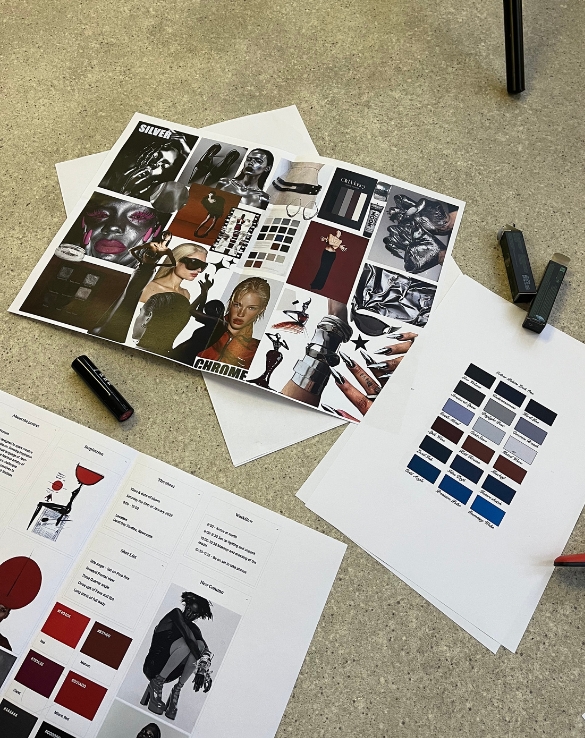
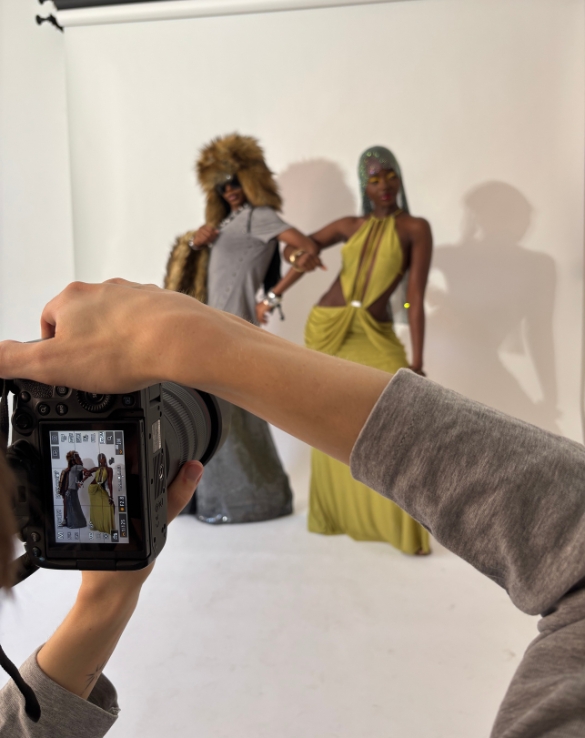
One of the most important aspects of developing Altered Form was the opportunity for Fin to work with complete creative freedom. Having spent the first two years of his degree responding to set briefs, he was eager to explore what might happen if he could create something entirely around his own ideas. For Fin, this meant allowing his instincts to guide the process, rather than feeling restricted by the need to explain every decision or produce a particular outcome.
He explains that ideas often evolve through experimentation, sometimes resulting in something quite different from the original concept. Instead of seeing this as a challenge, he considers it one of the most exciting parts of creating.
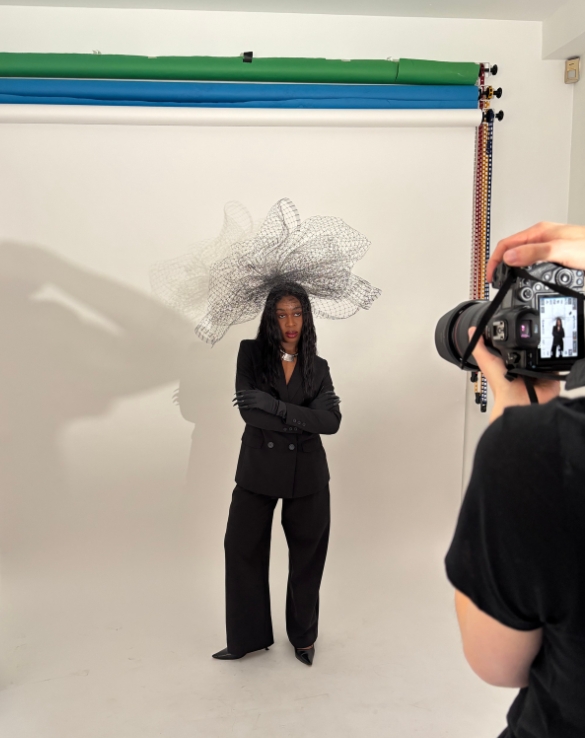
“Some concepts need to be seen before they can be explained, and I think there’s real value in allowing creativity that freedom.”
This approach also influenced how he wanted audiences to experience the publication. Rather than presenting readers with a fixed interpretation of each image, Fin wanted to leave room for people to form their own understanding. His influences and intentions are woven into the work, but the imagery is given the freedom to speak for itself.
One Creative Vision, From Start to Finish
What makes Altered Form particularly personal is that Fin took responsibility for every stage of its creation. From the initial research and concept development to styling, photography, creative direction, editing and publication design, he was involved in bringing every element together. This gave him the opportunity to explore how different creative disciplines could influence one another.
Styling became more than simply selecting clothing. It allowed him to manipulate silhouettes, transform the appearance of the body and establish characters within his imagery. Photography then offered another way to shape how those transformations were presented and experienced.
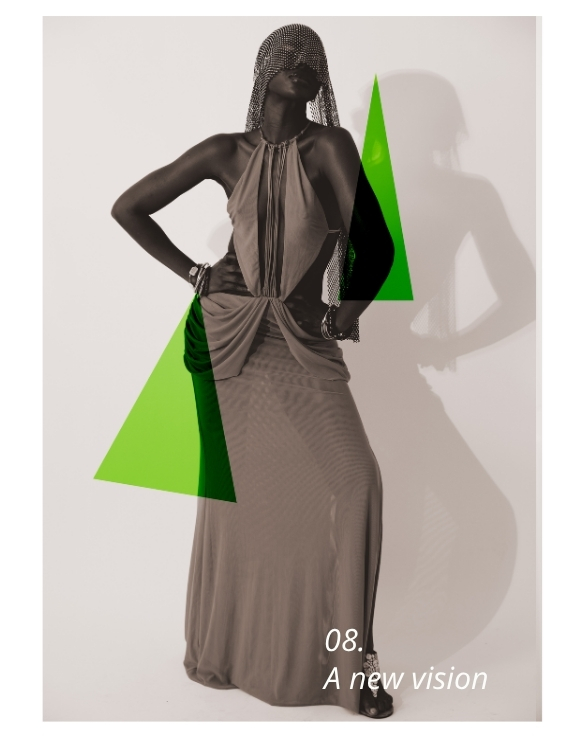
Working across each discipline also encouraged Fin to trust his instincts and embrace unexpected creative decisions. Throughout the publication, colour, composition, concealment and exaggerated form become tools for storytelling. Although each editorial has its own visual identity, they are connected by a shared willingness to experiment and challenge convention.
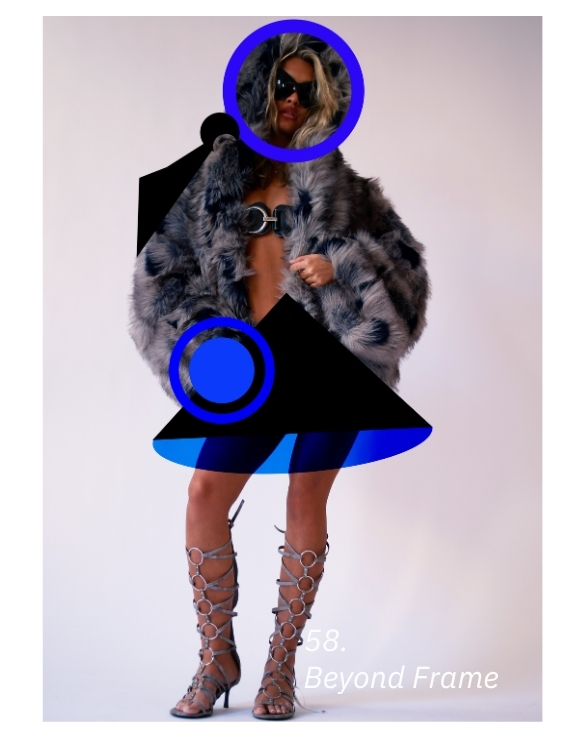
Alongside Goude and Jones, Fin also drew inspiration from fashion photographers Nick Knight and Tim Walker, whose work demonstrated how fashion imagery could create entire visual worlds rather than simply document clothing.
Challenging Our Ideas of Beauty and Identity
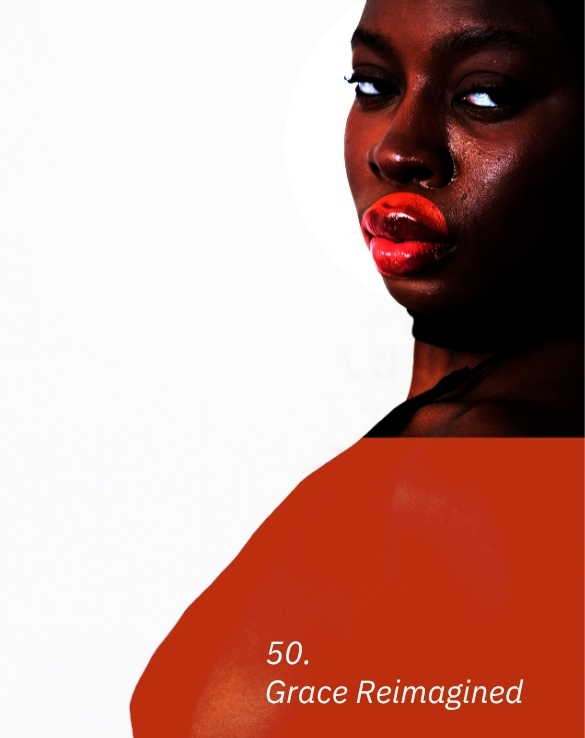
At its heart, Altered Form asks readers to question the expectations surrounding beauty, identity and the human body.
Fashion imagery often presents carefully constructed ideals of how people should look. Through distortion and exaggeration, Fin wanted to challenge these familiar representations and explore what happens when the body is no longer treated as something fixed. For him, manipulating the body is not about replacing one beauty standard with another. Instead, it is about demonstrating the possibilities that emerge when we allow ourselves to see things differently.
“I’m particularly interested in imagery that makes people uncomfortable because it can encourage conversations that more conventional images might not.”
By presenting unfamiliar silhouettes and exaggerated proportions, Altered Form encourages viewers to reconsider their own perceptions of beauty and individuality. Fin hopes his work creates space for different interpretations, without everything needing to feel immediately recognisable or easily understood.
Turning Emotion Into Imagery
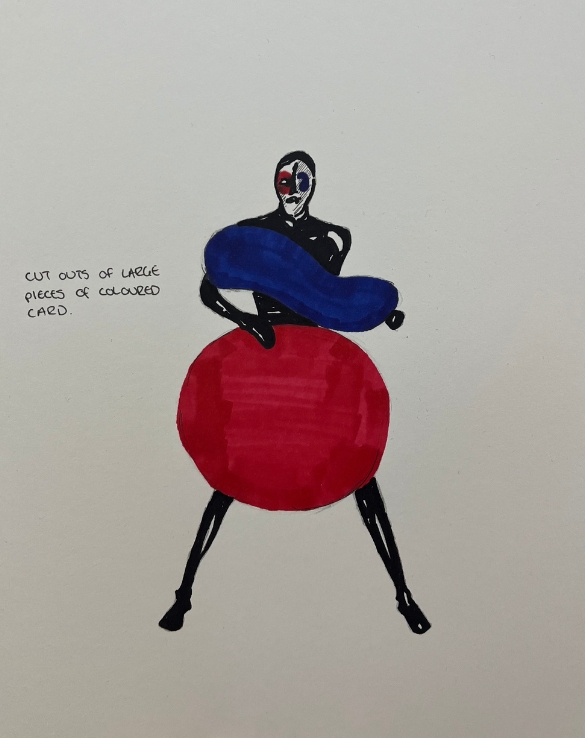
One of the editorials Fin is particularly proud of is A Goude Divide, a project inspired by the life of jazz singer Phyllis Hyman. After reading about Hyman’s experiences, including her descriptions of living with bipolar disorder, Fin became interested in how complex emotions could be represented visually. He began sketching ways to communicate feelings of being stretched beyond one’s limits and hiding behind a mask.
These initial drawings developed into imagery featuring exaggerated, elongated limbs, creating a body that appears familiar yet distorted. For Fin, the editorial captured the challenge and excitement of translating something emotional and difficult to articulate into a visual form.
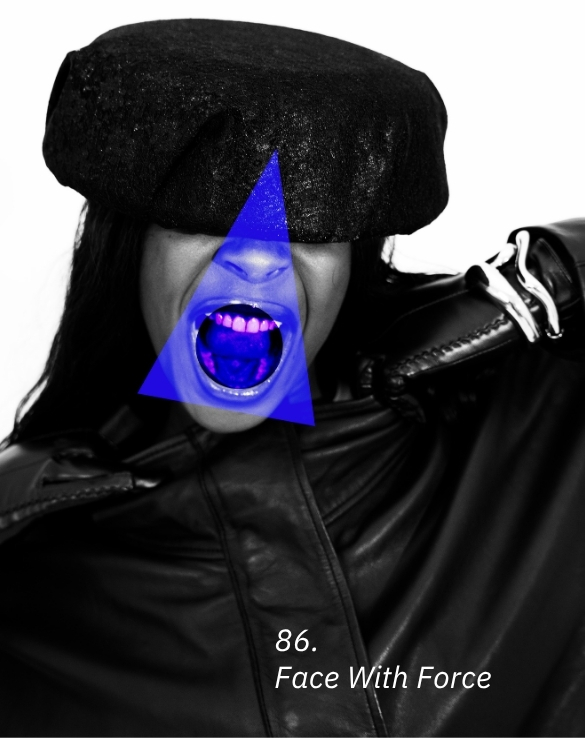
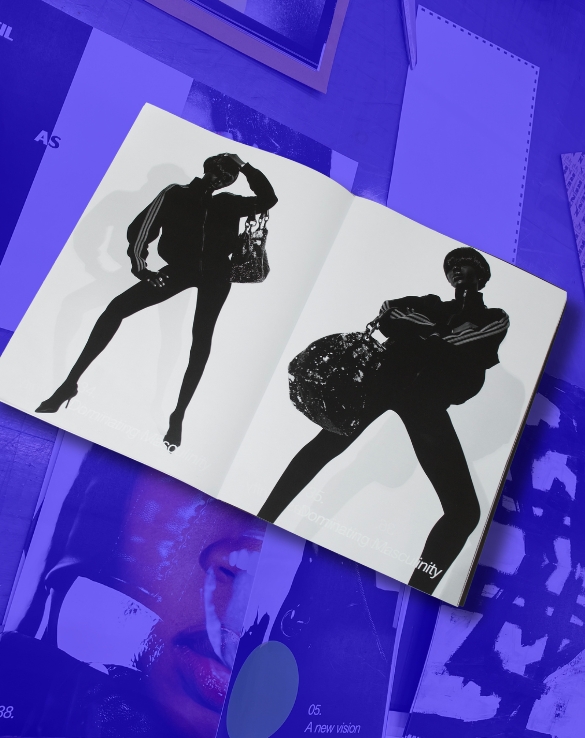
Throughout Altered Form, short narratives and poems accompany the imagery, offering readers glimpses into the ideas and experiences that inspired each editorial. Rather than explaining every image directly, these written elements provide another layer of storytelling, allowing readers to discover connections between the visuals and the concepts behind them. A Goude Divide represents the kind of creative exploration Fin hopes to continue developing: using fashion, photography and art direction to communicate stories that might otherwise be difficult to express.
Bringing Altered Form to The Mag Studio
As part of our Creative Talent Awards Exhibition, we were delighted to showcase Altered Form alongside publications created by other emerging creatives. For Fin, seeing his work exhibited at The Mag Studio was a particularly rewarding experience. Having spent so much time developing the publication, experimenting with ideas and questioning creative decisions, the exhibition offered an opportunity to step back and experience the project from a different perspective.
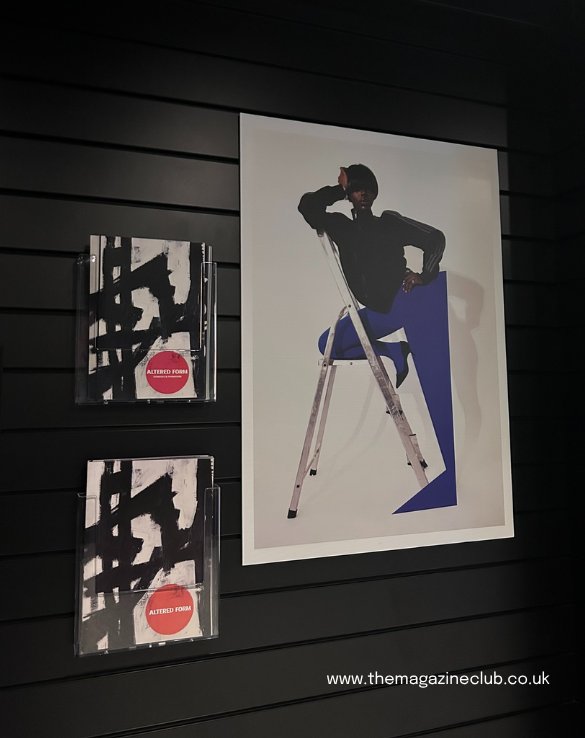
It was no longer simply something he had been working on independently. It had become a finished publication that others could discover, explore and interpret for themselves. Fin described the experience as an opportunity to see his work exist beyond his own creative process. Having Altered Form recognised alongside other student publications also gave him greater confidence in his creative direction and encouraged him to continue experimenting. For us at Unique Magazines, this is exactly what the Creative Talent Awards are about: creating opportunities for emerging creatives to share their work, celebrate their individuality and see their ideas reach new audiences.
What’s Next for Fin?
Although Altered Form began as a university project, Fin sees it as the starting point for his future creative work. The publication has helped him establish a clearer understanding of his identity as an image-maker and the kind of projects he wants to pursue. Moving forward, he hopes to continue developing fashion editorials that combine bold visual concepts with compelling narratives, exploring the possibilities of photography, styling and art direction.
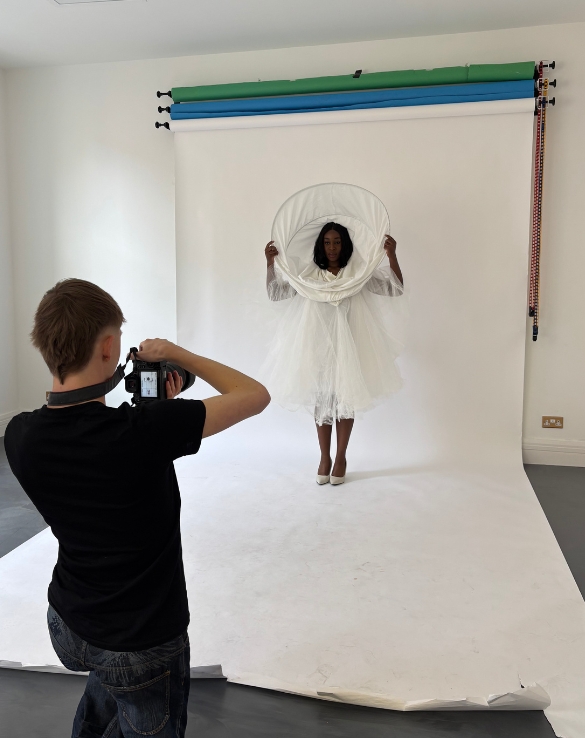
More importantly, he wants to continue approaching creativity with curiosity, trusting his instincts and allowing ideas to evolve through experimentation. For Fin, Altered Form was never intended to provide a definitive answer to what fashion imagery should look like. Instead, it represents the beginning of an ongoing exploration of what might be possible when creativity is allowed to move beyond convention. And if there’s one thing he hopes readers take away from the publication, it’s the importance of giving unfamiliar ideas a chance.
Discover more of Fin’s creative work at finsimpsontheprovocateur.co.uk.
See you in the Mag Room,
Jessica