
EE72 Fall 2026: Celebrating the Decade That Changed Everything
15th September 2026
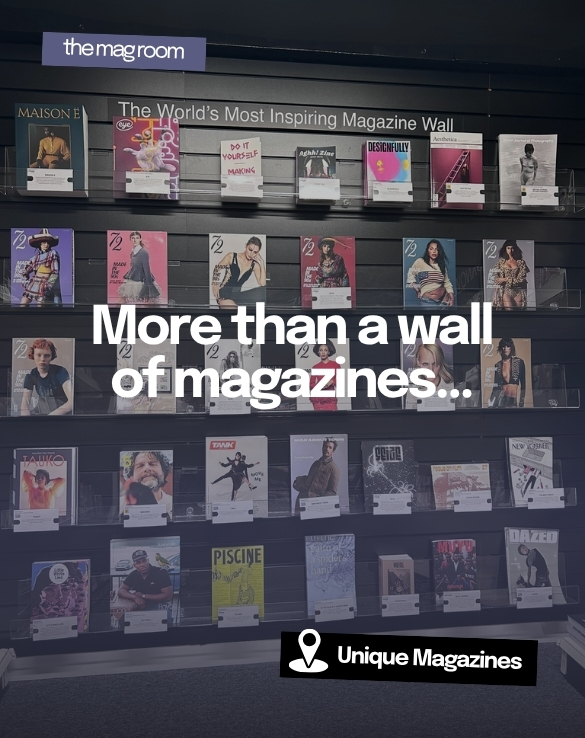
The World’s Most Inspiring Magazine Wall: The Stories Behind the Covers
22nd September 2026
By Emily Bremer
I’ve always found having a ‘creative style’ quite interesting. You know when you look at someone’s work and can immediately tell it’s theirs? They have a particular way of photographing, designing, styling or putting things together, and somehow it all feels completely natural to them.
Well, this is something I really struggled to define for myself as a young creative. Throughout university, my work was often centred around people and community, but the way I approached each project could be completely different. I enjoyed experimenting with different aesthetics, ideas and ways of communicating, and I often found myself trying something new, simply because I was curious to see where it would take me.
Looking back, I think a lot of that experimentation was actually part of developing my creative identity. Rather than deciding what my style was going to be and sticking to it, I was slowly working out what I was drawn to, what I responded to and, perhaps most importantly, why.
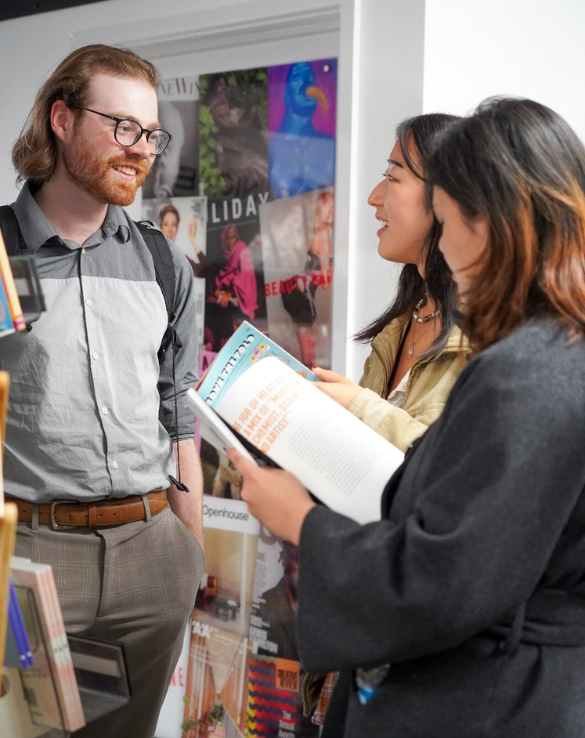
It was this idea that really came to life when my university course visited Unique Magazines for an afternoon to begin our projects with them…

Thousands of magazines covering almost every subject, interest, and creative discipline you can imagine. Fashion, photography, interiors, music, food, culture, design… and then plenty of things you probably didn’t even know had their own magazine.
At first, I found the amount of choice slightly overwhelming. There was almost a pressure to choose the right thing. Should I pick something relevant to the project I was working on? Should I stick to the genres I already knew I liked? Should I choose something completely different?
Eventually, I stopped trying to make the decision strategically and just started picking up things that caught my eye.
A photograph I liked. A particularly interesting layout. A headline that made me stop and read it twice. A colour combination. A publication from a genre I wouldn’t normally look at. It didn’t really matter whether all of these things fitted together. I was more interested in working out what it was about each one that had made me pick it up in the first place.
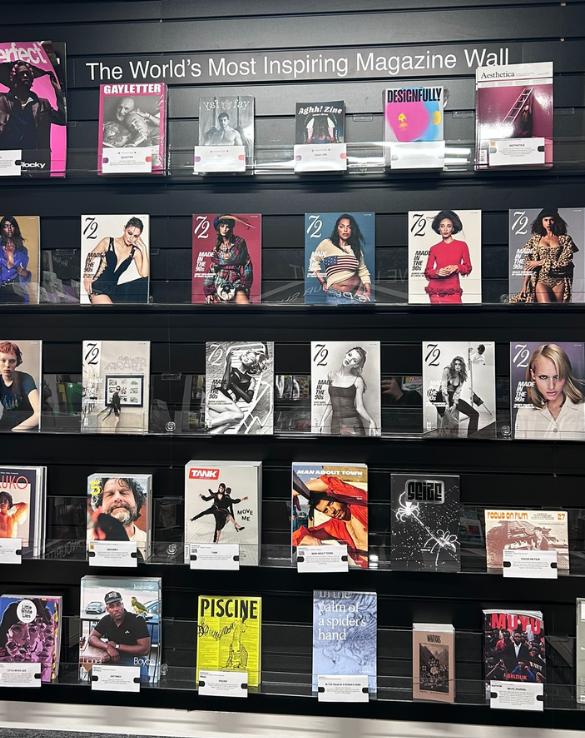
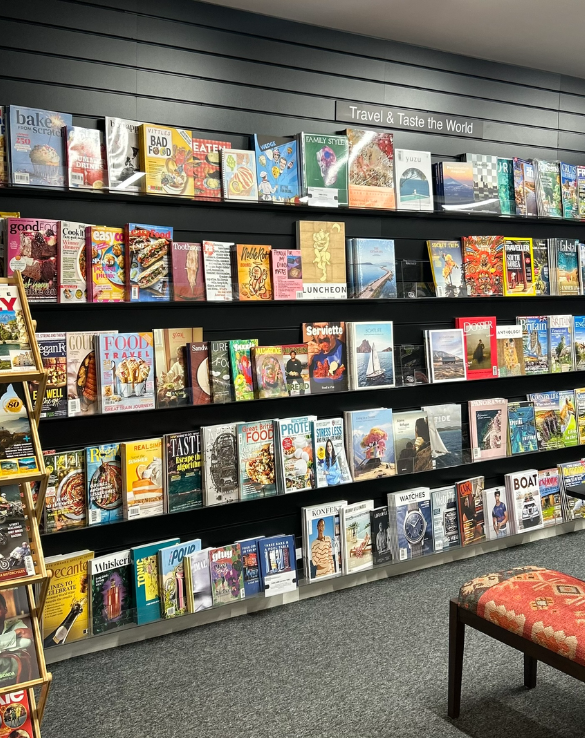
That experience made me think about how we find inspiration in the first place, and whether we sometimes put too much pressure on ourselves to know exactly what we are looking for.
With digital media so readily available, we have never had more creative inspiration at our fingertips. Within a few seconds, we can scroll through thousands of images on Pinterest, Instagram or TikTok, save the ones we like and move on. I do it all the time. But sometimes I find myself looking at something online and thinking, “I like this,” without really understanding it.
There is something different about print. When you physically pick up a magazine, you have the opportunity to spend more time with it. You can understand the story behind an image, look at how the photography works alongside the typography, read the words around it and start to understand the wider concept that has gone into creating the page in front of you.
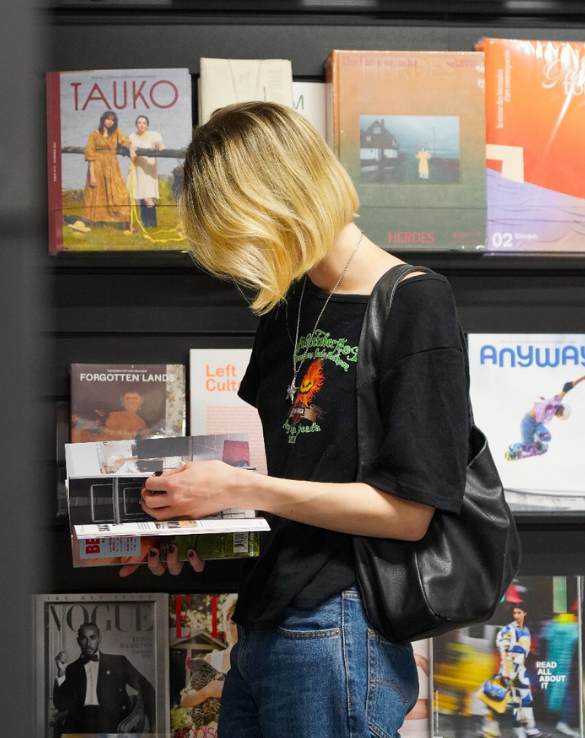

Of course, creativity is subjective. There isn’t necessarily a right or wrong way to interpret an image or an idea, and that’s what makes it interesting. But I think there is real value in understanding how somebody else has approached their work, even if your own interpretation is completely different from theirs. Sometimes you learn from the things you love, and sometimes you learn from the things that make you think, I would have done that completely differently.
And that is really where The Curation Club came from.

I wanted to create a space where inspiration could exist without the immediate pressure to turn it into something. As creative students, we are constantly being asked to create. There is always another brief, another deadline, another portfolio piece or another final outcome to think about. I wanted to take a step back from that and focus on the bit that comes before the creating: looking, collecting, questioning and discovering.
The idea is simple. You curate rather than create.
You can bring together anything that interests you, whether it has an obvious connection to your current work or absolutely nothing to do with it. You might be drawn to a particular photographer, an unusual piece of typography, a fashion editorial, a page from an interiors magazine or simply a colour combination that you can’t stop thinking about. There is no requirement for it to become a finished concept, and there certainly isn’t a marking criteria hiding somewhere in the room.
It is about giving yourself the freedom to follow your own curiosity.
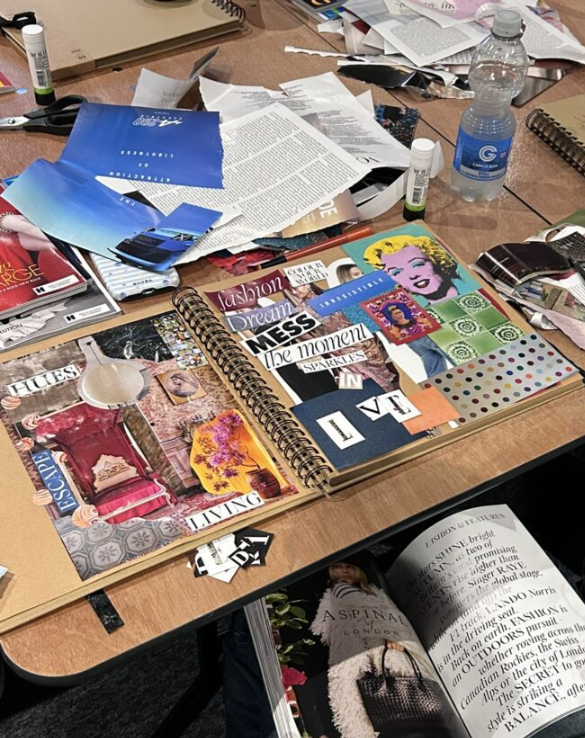

I also wanted The Curation Club to feel like a space where you can share those discoveries with other people. One of the best things about studying a creative subject is being surrounded by people who look at things completely differently to you. Something that you barely notice might be the exact thing that inspires someone else, and talking through those differences can often lead you somewhere you wouldn’t have reached on your own.
You might already have a very defined creative style, or you might still be experimenting with what yours looks like. You might know exactly what you like, or you might still be figuring that out. Either way, I think there is something valuable in giving yourself permission to step outside of your usual references and see what else is out there.
For me, The Curation Club is less about finding the one thing that defines your creative style and more about building a collection of things that make you curious. Because perhaps your style isn’t something you need to decide on at all. Perhaps it is something that gradually reveals itself through the things you choose, the ideas you return to and the things that make you stop and think.
So, if you’re a creative student in the North East, come and have a rummage through the magazines, pick up something you wouldn’t normally choose and see where it takes you. Bring along the things you’ve been saving, the things you love, the things you don’t understand yet, or simply the things that caught your eye.
There’s no brief. There’s no right answer. And there’s no pressure to make anything.
Just come and curate.